Call Us
Discover Kenya — The Heart of African Safari Adventures!
Welcome to Kenya, a land of breathtaking landscapes, diverse wildlife, and rich cultural heritage — where every journey becomes an unforgettable story. From the vast savannahs of the Maasai Mara, home to the iconic Big Five, to the tranquil waters of Lake Naivasha and the flamingo-filled Lake Nakuru, Kenya offers world-class safari experiences like nowhere else on the continent. Witness the majestic Great Wildebeest Migration, an awe-inspiring spectacle of nature that leaves every visitor speechless.
Kenya is not just wildlife. The towering Mount Kenya, lush Aberdare forests, and the expansive plains of Tsavo National Park create stunning sceneries perfect for adventure, hiking, and nature exploration.
The coastal paradise of Diani, Watamu, and Lamu brings white sandy beaches, turquoise waters, and vibrant Swahili culture. Relax, swim, snorkel, or dive into the Indian Ocean’s colorful marine life for memories that last a lifetime.
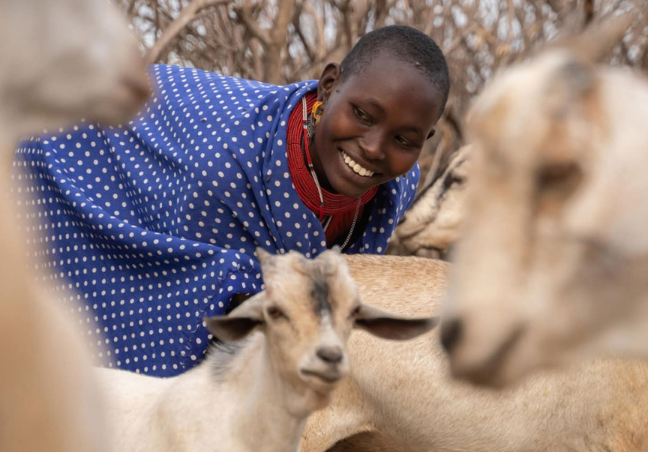
Immerse yourself in Kenya’s rich cultural tapestry, from the proud Maasai warriors to the pastoral Samburu and the coastal Swahili communities. Experience authentic traditions, dances, crafts, and warm hospitality that connect you to the soul of Africa.
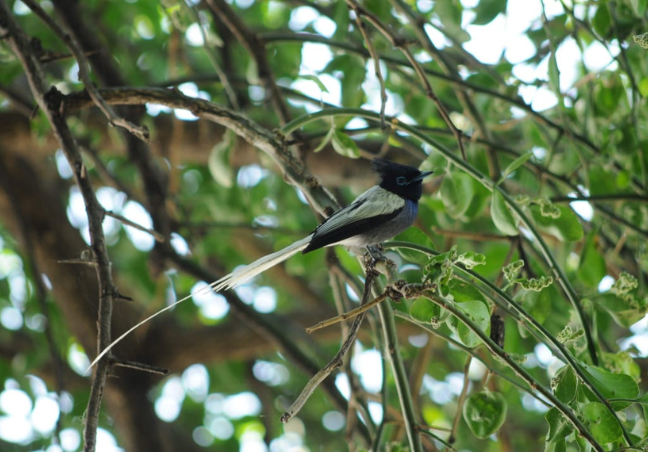
For adventure seekers, Kenya offers everything — balloon safaris at sunrise, mountain trekking, horseback rides, kayaking, and birdwatching, ensuring every day is filled with wonder and excitement.
Whether you’re seeking a wildlife safari, beach holiday, cultural immersion, or adventure escape, Kenya promises experiences that will stay in your heart forever.
Book your Kenyan Safari with Finding Paradise Tours Limited and explore the beauty, adventure, and magic of Africa’s crown jewel — Kenya, Where Memories Are Made!
Plastic bags are banned, photography is not allowed in airports or important buildings. You must always carry a form of identification around with you(Passport or ID card).
Kenya's main airport is Jomo Kenyatta International Airport (NBO), located 15km/9mi southeast of the capital city Nairobi. Kenya's second international airport is Moi International Airport (MBA), located 9km/6mi west of Mombasa, but aside from flights to Zanzibar, this is primarily used for domestic and charter flights. From Nairobi or Mombasa, you can fly or drive between parks and reserves, or opt to do a bit of both. Most (but not all) domestic flights out of Nairobi depart from Wilson Airport (WIL), 6km/4mi south of the city. Whichever mode you choose for travel, in most cases the local tour operator will arrange pickup at the airport and all further transportation as part of the safari package.
The best months for visiting Kenya (and the best time for wildlife viewing) are during the Dry season from June to October. The wildebeest migration usually reaches the Maasai Mara in July or August and remains in Kenya throughout September. It starts moving back to Kenya’s Serengeti National Park around October. Wildlife viewing is good year-round, but this can differ for some parks, depending on the rains. There is a dry spell between the rains in January and February that is also a great time to visit.
In order to apply for an ETA you will need the following:
ETA and passports are the responsibility of the traveller. It is best to consult with the high commission of the country being travelled to in the country being travelled from as requirements vary and change constantly.
There are strict rules about goods and items you can take in and out of Kenya.You must declare anything that may be prohibited or subject to tax or duty as per the Kenyan Customs Rules
Kenya is one of Africa's top travel destinations. Kenya tourism circuits or regions are the smaller travel destinations that make up the nation. A tourism circuit is characterized as a path with clearly marked entry and departure points that includes at least three popular tourist attractions spread out along it, none of which are in the same town, hamlet, or city. Increasing the overall number of visits to all the venues on the circuit is the primary goal of Kenya's tourism circuits. Providing tourists with a variety of attractions and activities in a destination is another goal.
Explore The Wildlife Destinations In Kenya.Be informed with our FAQS about Travelling to Kenya:Frequently Asked Questions
Kenya's Coastline Circuit provides opulent safari experiences across the nation, encompassing captivating, educational, and historical journeys via marine parks, stunning beaches, reserves, and historical landmarks. In addition to historical sites like Vasco da Gama Pillar, Gede Ruins, Hell's Kitchen, and Malindi Museum, there are marine parks and reserves like Arabuko Sokoke Forest Reserve, Kisite Mpunguti National Park, Malindi Marine Park, Mombasa Marine National Park, Shimba Hills National Reserve, Tana River Primate Reserve, and Watamu Marine Park.
The Coastline Circuit includes a number of tourist spots.
Activities while on safari to the coastal region include; a visit to the last major remnant of tropical rain forest – Arabuko Sokoke and a chance of seeing some of it’s rare bird species, the Tana river rare and endangered primates like the mangebey and red colobus monkeys, the Shimba hills reserve – the only abode of the sable antelope in Kenya, water sports in Mombasa including, jet ski, scuba diving, snorkeling and much more.
The Central Kenya Circuit offers High Hill Country; a paradise for Daredevils. This is Kenya’s high hill country above Nairobi – a land of mountain peaks, spectacular waterfalls and remote alpine moors that provide a unique and breath taking African Landscape. It is also an area of coffee plantations and small farms that make up the region’s thriving agricultural sector.
The Central Kenya circuit includes a number of tourist spots.
Activities while on safari to this region include; game viewing – high chances of seeing all the big five and rare forest antelopes like the bongo, the endangered black rhino, history of Kenya – settlers, scenic views of hills and waterfalls, mountain hiking and trekking.
Kenya’s Southern region safari circuit is domiated by Tsavo (Tsavo East and Tsavo West) Kenya’s largest national park. Further is Amboseli – Kilimanjaro’s home and Chyulu hills rocky volcanic outcrops harboring a huge amount of game and Lake Jipe – a lake fed by Mount Kilimanjaro’s run-off.Parks in the southern region safari circuit are close to the Kenya Coast
Parks and attraction in this circuit region include.
The North Rift Circuit region offers remote and sometimes inaccessible attractions, a reserve of those who wish to explore Kenya at its most rugged, these regions appeals to visitors because of their hot springs and bird sanctuaries, Parks and lake attractions like Lake Bogoria, Baringo, Kamnarock, Turkana, South and Central Island, Nasalot, Sibiloi and Marsabit national reserve hold fascination for the traveller who like to go off the beaten track.
The circuit includes a number of tourist spots.
One of the main event in this circuit is the annual camel derby, other activities here include game watching , ballooning, camel riding, fishing, horse riding and mountain biking.
The Southern Rift comprises of the best known attractions including Maasai Mara, Lake Nakuru and Lake Naivasha.
The circuit includes a number of tourist spots.
Activities here include game watching with chances of spotting all of the Big Five game, bird watching, Ballooning, Hiking and rock climbing
Nairobi is the capital city of Kenya. The city represents a vibrant metropolis and is East and Central Africa’s premier city. There are many museums dedicated to the country’s history, you can truly experience Kenya’s unique culture. Nairobi hotels are among the most opulent in the country and include a number of international hotel chains
The circuit includes a number of tourist spots.
The Eastern Region Safari circuit is just outside Nairobi and it includes Samburu, Shaba and Buffalo Springs which form contagious parks separated by the Ewaso Nyiro River. Further out is the Meru National reserve consisting of open savannahs and is also adjacent to Bisanadi, Mwingi, Kora and Rahole National reserves and parks.
The circuit includes a number of tourist spots.
The Western safari circuit is the least visited Kenya tourist circuit. The western Kenya region consists of rich forests, swamps and some of Kenya’s rarest animal species. Kakamega forest is a habitat for over 300 bird species, the endangered De-Brazza,s moneky, the balck and white colobus monkey while Ruma national park is the only home to the roan antelope in Kenya and the Saiwa swamp is the only home to the endangered semi-aquatic sitatunga antelope.
The circuit includes a number of tourist spots.
The semi-nomadic Maasai/Samburu people offer glimpses into their traditions: